“Qualified Immunity:” High Springs Commissioner Submits Dismissal Motion After Lawsuit Goes Federal
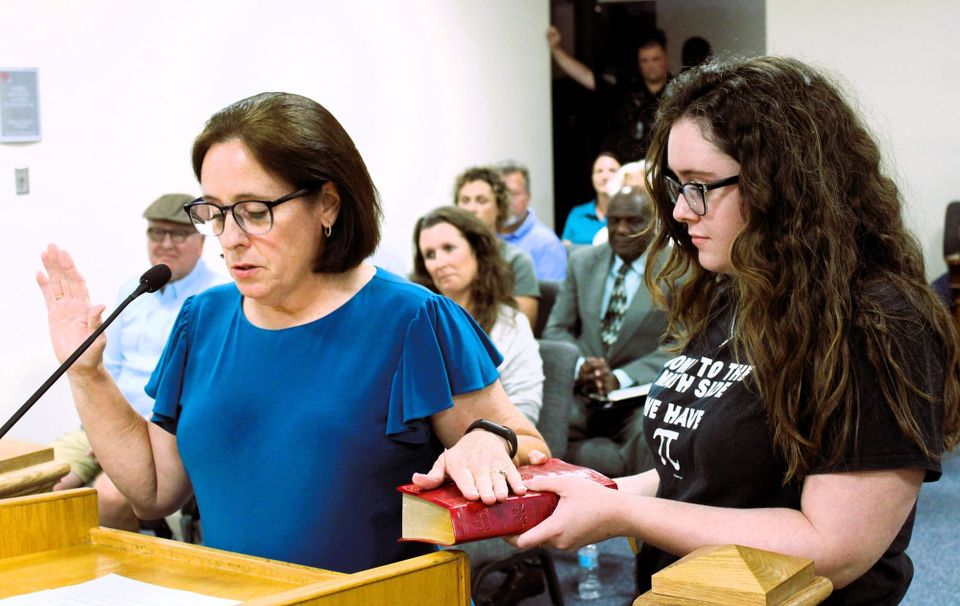
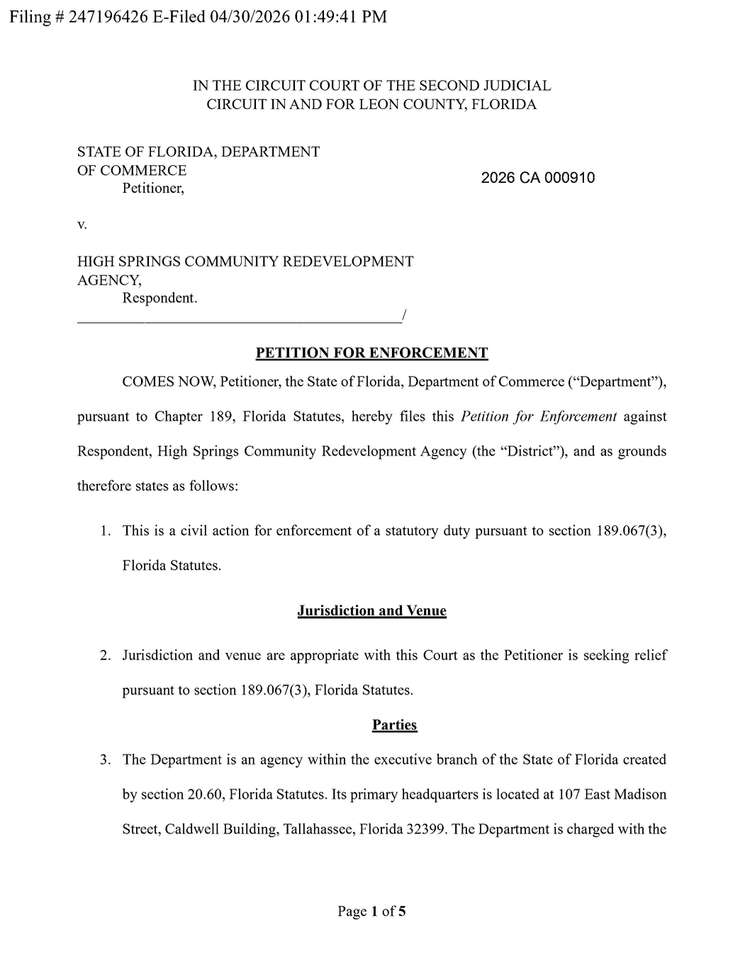
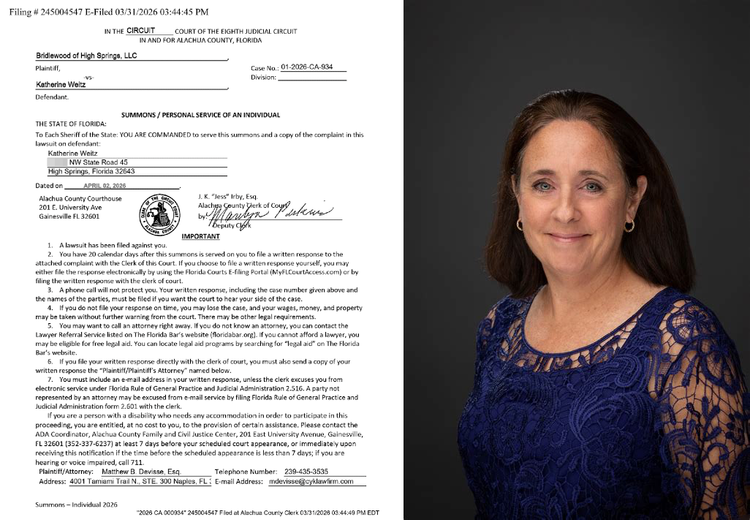
Last month, the Bridlewood land development company sued High Springs City Commissioner Katherine Weitz in Alachua County Civil Court for allegedly taking illegal measures to oppose their community development project for the City of High Springs.
On May 8, Weitz’s attorney, Leigh Rosenbloom, pushed the case to federal court.
On May 15, Rosenbloom submitted a motion to dismiss the lawsuit.
The motion argues, “ It is unclear whether Commissioner Weitz is being sued in her individual-capacity or official-capacity. This deficiency alone warrants dismissal, as the distinction between official-capacity suits and individual-capacity suits is fundament to constitutional litigation… If construed as an individual capacity suit, Commissioner Weitz is entitled to qualified immunity… If construed as an official-capacity suit, Plaintiff’s claims are barred by sovereign immunity and failure to allege municipal liability… However, regardless of how the capacity ambiguity is resolved, the facts alleged in the Complaint do not establish any violation of Plaintiff’s constitutional rights and therefore fails to state a plausible claim for relief on any count.”
The motion emphasizes that several public meetings regarding the development were held and that Weitz’s “qualified immunity” shields her from liability.
“It is undoubted that Commissioner Weitz was acting within the scope of her discretionary authority when the allegedly wrongful acts occurred. The Complaint alleges that Weitz interfered with development through actions taken while serving as City Commissioner and Mayor. These actions include communicating her opposition of the plan, participating in Plan Board and quasi-judicial zoning hearings, requesting plans and studies from City personnel, making a report to the FWC regarding gopher tortoises, extensive questioning and objections at City Commission meetings,” the motion states. “Each of these alleged acts constitutes conduct undertaken in Weitz's official capacity as an elected municipal official. Participation in legislative and quasi-judicial proceedings, voting on municipal matters, communicating with other government agencies, requesting information from City staff, and advocating for municipal policy positions are quintessential governmental functions. Such conduct falls squarely within the scope of employment for an elected official.”
According to the motion, the lawsuit “fails to allege deprivation of a constitutionally-protected property interest or a constitutionally-inadequate process… The fact that during the process, a commissioner (or mayor) asked questions, raised objections, or otherwise advocated for a particular position does not constitute a denial of procedural due process.”
The full motion goes into further argument regarding Bridlewood allegedly failing to properly assert their claims.
A federal judge will decide on the motion at a later date.